Inside the Room: What an Advisory Board Conversation Revealed About Trust, Alignment, and the Real Challenges in Higher Ed
By: Wimer Alberto
There is real value in taking conversations out of inboxes and off screens to bring people together in the same space. While virtual meetings are efficient and productive, in-person dialogue often allows for more nuance and depth. Ideas can be explored more fully, perspectives can build on one another more naturally, and conversations tend to unfold with a bit more context and reflection.
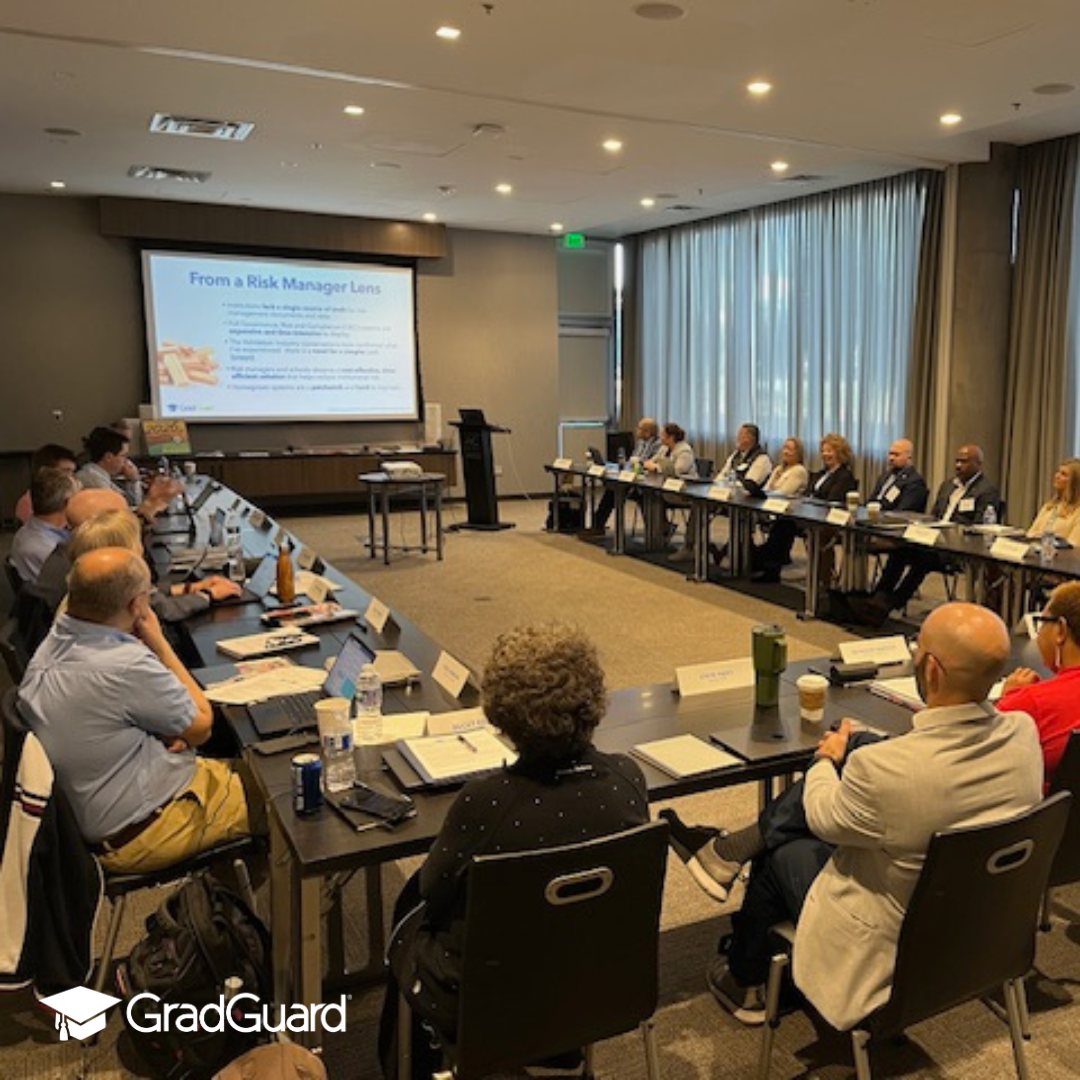
That was the spirit of our recent advisory board gathering. We convened institutional leaders from across higher education to share insights, reflect on emerging challenges, and help us think more critically about how we show up as partners.
We arrived with a clear sense of what we believed the primary issues were. By the end of the discussion, our understanding had broadened in meaningful ways.
We Assumed the Largest Challenges Were External. They Weren't.
Going into the meeting, we expected the conversation to center on shifting federal and state priorities impacting higher education. Policy uncertainty. Funding pressure. Regulatory changes. Those forces are real, and they are constant. But almost immediately, board members re-directed the focus.
Yes, external volatility matters. But the more immediate and persistent challenge, they argued, is internal alignment. Departments within the same institution are often working toward different definitions of success. Enrollment may be focused on headcount growth. Student affairs may prioritize engagement and wellbeing. Finance is managing margin and risk. Academic affairs is looking at outcomes and quality.
Each goal makes sense. But without intentional coordination, those goals can compete.
Even when a president sets a clear strategy, aligning teams within a division and then across divisions can be far more complex than reacting to a new regulation. That complexity is magnified by another reality: presidential turnover is accelerating. Each leadership transition introduces new priorities, new organizational structures, and new expectations.
For leaders trying to build multi-year strategies or scale partnerships, it can feel like building on shifting sand.
The message was clear. Sustainable progress depends less on reacting to what is happening outside the institution and more on building cohesion, clarity, and shared purpose inside it.
Why the Retention Committee Might Be the Most Important Room on Campus
If there was one area of strong agreement, it was around the retention committee.
Unlike individual offices that operate in defined lanes, retention committees bring together leaders from enrollment, student affairs, academic affairs, finance, housing, and often institutional research. They evaluate persistence and student success from a cross-functional perspective.
That vantage point is powerful. Rather than pursuing separate conversations on-campus, they suggested asking for time with the retention committee as a whole. Engaging the full group simultaneously allows for a more integrated conversation. It aligns messaging across departments and positions solutions within the broader context of institutional strategy.
Instead of answering the question, “How does GradGuard help my office?” the conversation becomes, “How does GradGuard strengthen our retention ecosystem?”.
Risk Feels Different Depending on Where You Sit
One of the most vivid parts of the discussion centered on how different offices experience institutional risk.
Housing professionals described events like fires or burst pipes not as abstract liabilities, but as lived crises. They are on site in the middle of the night. They relocate students. They coordinate with facilities and emergency services. They answer calls from anxious parents. For them, risk is operational. Emotional. Immediate.
By contrast, when a student withdraws, the bursar’s office manages the financial implications. That work is significant and policy driven, but it is experienced differently. It does not carry the same visible urgency. This distinction matters. Housing teams operate at the intersection of safety, operations, and student wellbeing. Their relationship with risk management is inherently collaborative because they live the consequences firsthand.
Understanding how risk feels to different stakeholders changes how conversations should be framed. It reinforces that institutional risk is not just about dollars. It is about disruption, trust, and human impact.
The Through Line: Alignment as the Real Lever
When I step back from the specifics, what stands out most from the board meeting is the following through line: alignment.
Alignment between departments.
Alignment between leadership vision and operational reality.
Alignment between messaging and representation.
Alignment between language and audience.
Alignment between risk strategy and lived experience.
We entered the meeting expecting to talk about external pressures. We left thinking about internal cohesion.
For institutions navigating leadership turnover, shifting priorities, and cross-functional complexity, the organizations that will make lasting progress are not just the ones that react quickly. They are the ones that build systems and relationships strong enough to endure change.
The most important challenges in higher education right now may not be the ones making headlines. They may be the quieter, harder work of getting everyone in the same room, aligned around the same mission, moving in the same direction.